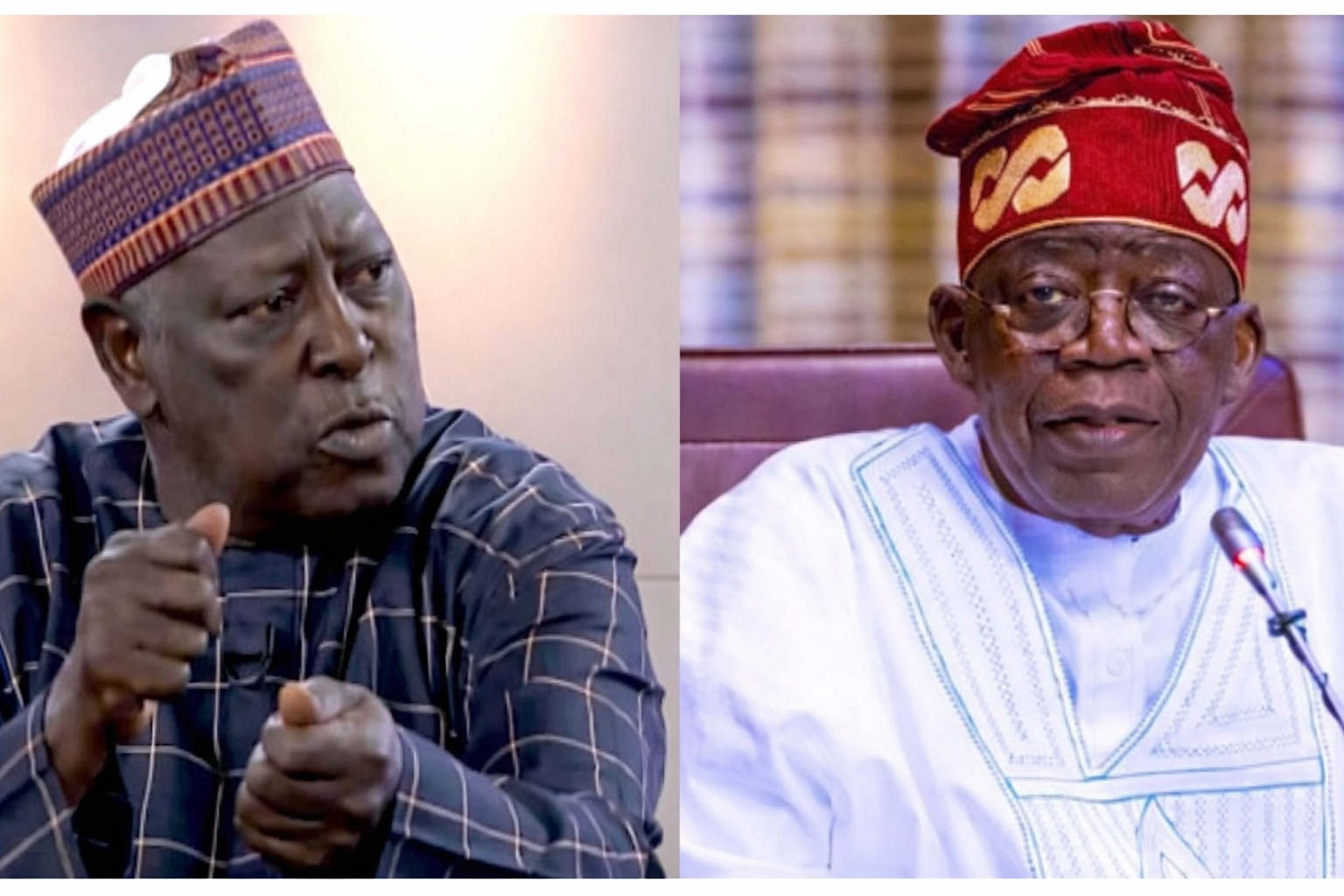
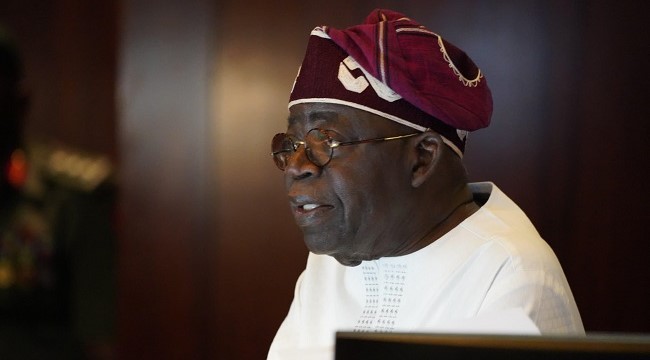
In the heat of Nigeria’s political season, a storm of rumors swept across social media, alleging that President Bola Tinubu was preparing to change the nation’s name to the “United States of Nigeria” and abolish Sharia law in the North. The claims, cloaked in anonymity and sensationalism, quickly gained traction, stirring unease among citizens.
But the Presidency swiftly intervened. Bayo Onanuga, Tinubu’s spokesperson, dismissed the reports as baseless fabrications designed to sow discord and overheat the polity ahead of the 2027 general elections. He warned Nigerians not to fall prey to agents of destabilization who thrive on spreading misinformation.
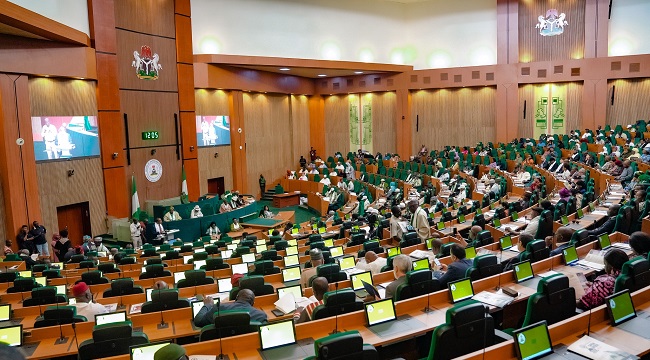
Onanuga emphasized that constitutional amendments in Nigeria are not whimsical acts of a president but require rigorous debate, approval by two-thirds of the National Assembly, and endorsement from at least 24 state assemblies. He stressed that Tinubu’s focus remains on consolidating economic reforms and delivering tangible benefits to Nigerians, not on pursuing divisive constitutional changes.
The Presidency also rejected claims of a supposed bill, “Project True Federation,” allegedly set for transmission to the National Assembly. Instead, it urged citizens to remain vigilant against fake news, which is expected to intensify as political campaigns gather momentum.
In the end, the message was clear: President Tinubu has no plans to rename Nigeria or abolish Sharia law. The government’s priority lies in stability, reform, and progress — not in fueling unnecessary political tension.
Key Takeaways
- Rumor: Tinubu plans to rename Nigeria and abolish Sharia law.
- Presidency’s Response: Strong denial, labeling the claims as fake and politically motivated.
- Reasoning: Constitutional amendments require a complex legal process, not unilateral presidential action.
- Focus: Tinubu remains committed to economic reforms and national stability.
- Warning: Fake news will likely increase as the 2027 elections approach.