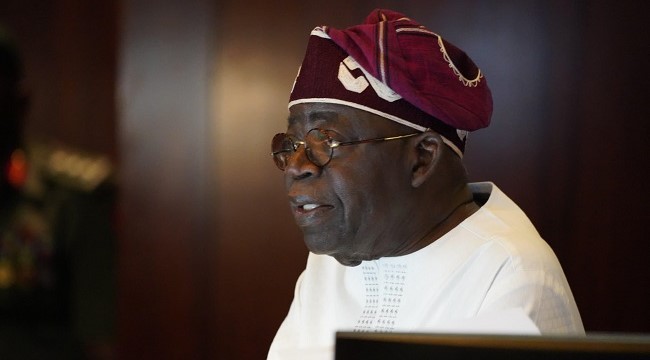
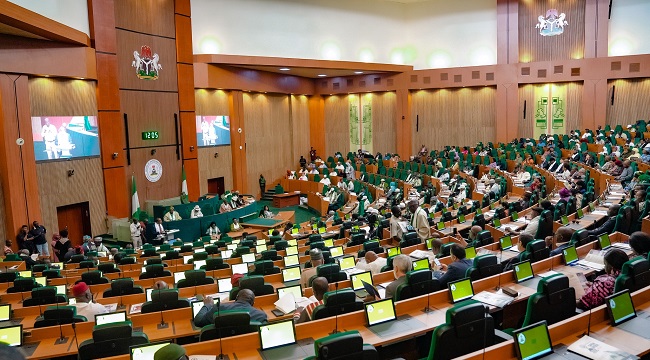
In the bustling chambers of Nigeria’s House of Representatives, a pivotal decision was reached. Lawmakers gave their nod to President Bola Tinubu’s request to secure a syndicated loan of $516,333,007 from Deutsche Bank AG.
This financial lifeline is earmarked for the ambitious Sokoto–Badagry Super Highway, a project designed to stitch together distant corners of the nation. The highway, spanning critical sections across Sokoto and Badagry, is expected to enhance national connectivity, ease the movement of goods, and drastically reduce travel time along vital economic corridors.
The approval followed the presentation of a detailed report by Abdullahi Rasheed, deputy chairman of the House Committee on Aids, Loans, and Debt Management. Just a week earlier, President Tinubu had written to the National Assembly, urging lawmakers to grant authorization in line with the Debt Management Office (Establishment) Act of 2011. His letter emphasized the importance of securing financing for Sections 1, Phase 1A, and Phase 1B of the project.
For Tinubu, this super highway is more than asphalt and concrete, it is a cornerstone of his Renewed Hope Agenda, a vision aimed at modernizing Nigeria’s infrastructure and unlocking economic potential. Supporters hail it as a bold step toward progress, while critics remain cautious about the nation’s rising debt profile.
As the gavel struck in Abuja, the approval symbolized not just a loan, but a leap of faith in a future where Nigeria’s roads may finally match its aspirations.
Key Highlights
- Loan Amount: $516,333,007
- Source: Syndicated financing from Deutsche Bank AG
- Purpose: Construction of sections of the Sokoto–Badagry Super Highway
- Legislative Basis: Debt Management Office Act, 2011
- Agenda: Part of Tinubu’s Renewed Hope Agenda to boost connectivity and trade