
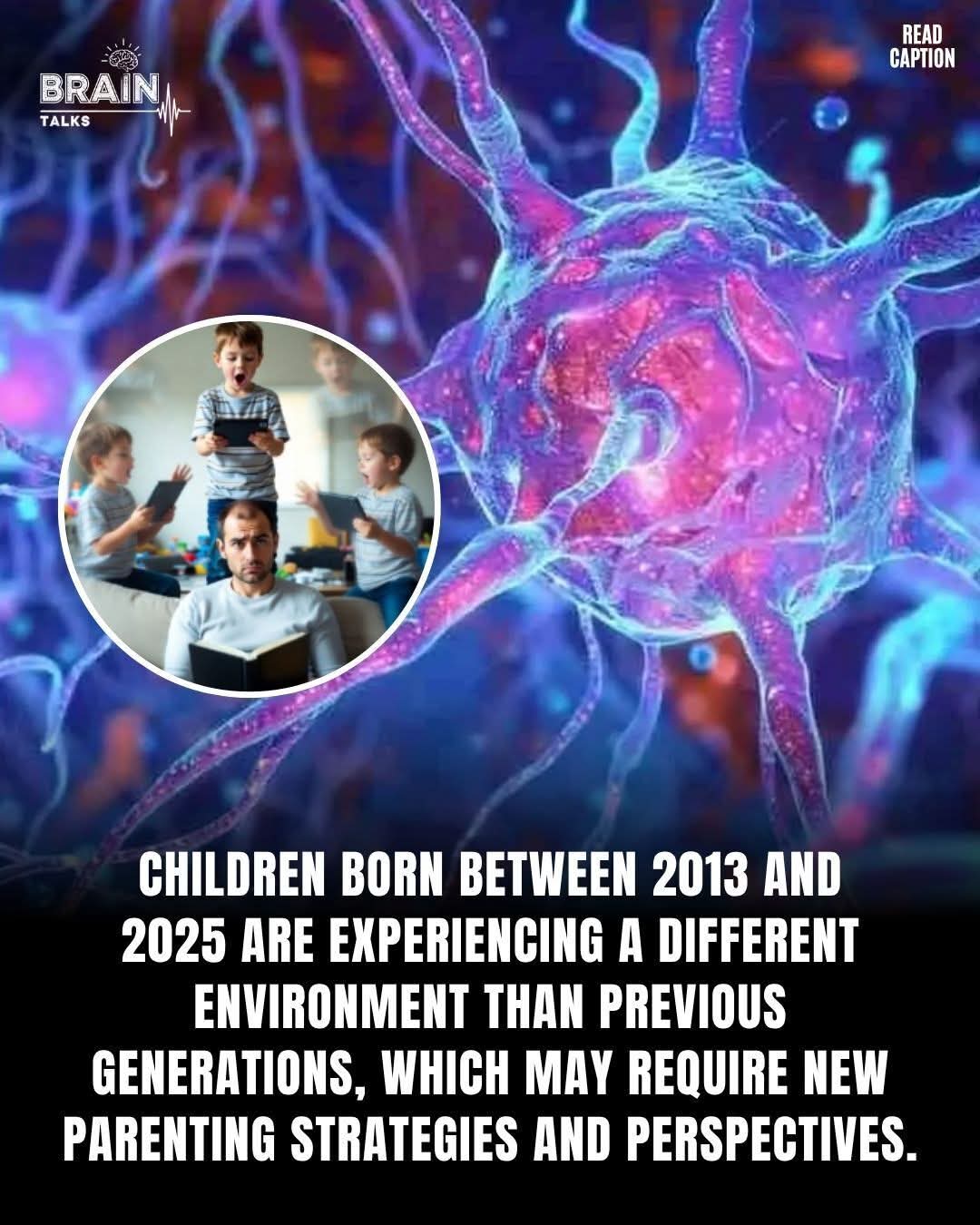
Children born between 2013 and 2025 are often referred to as Generation Alpha, a group growing up in a world filled with digital technology, instant information, and constant connectivity. Because their environment is different from that of previous generations, many experts believe parents may need to adapt some traditional parenting approaches to better support their development.
Research in child psychology and neuroscience shows that modern children are exposed to more information, screens, and stimulation than any generation before them. Their brains are learning to process large amounts of input from an early age. This does not mean their nervous systems are fundamentally different from those of earlier generations, but it does mean their experiences can shape attention, learning habits, and emotional responses in unique ways.
Experts suggest that today's children often benefit from a balance between technology and real-world experiences. Activities such as outdoor play, face-to-face conversations, creative projects, and unstructured exploration help support healthy brain development. At the same time, understanding how children respond to modern environments can help parents create routines that encourage focus, emotional regulation, and resilience.
The most important lesson from current research is that effective parenting is not about repeating every method from the past. It is about understanding the needs of the child in front of you. By combining scientific knowledge with empathy and guidance, parents can help Generation Alpha develop the skills needed to thrive in a rapidly changing world. Every generation faces new challenges, and every generation benefits from thoughtful support.
Source: Brain Talks