
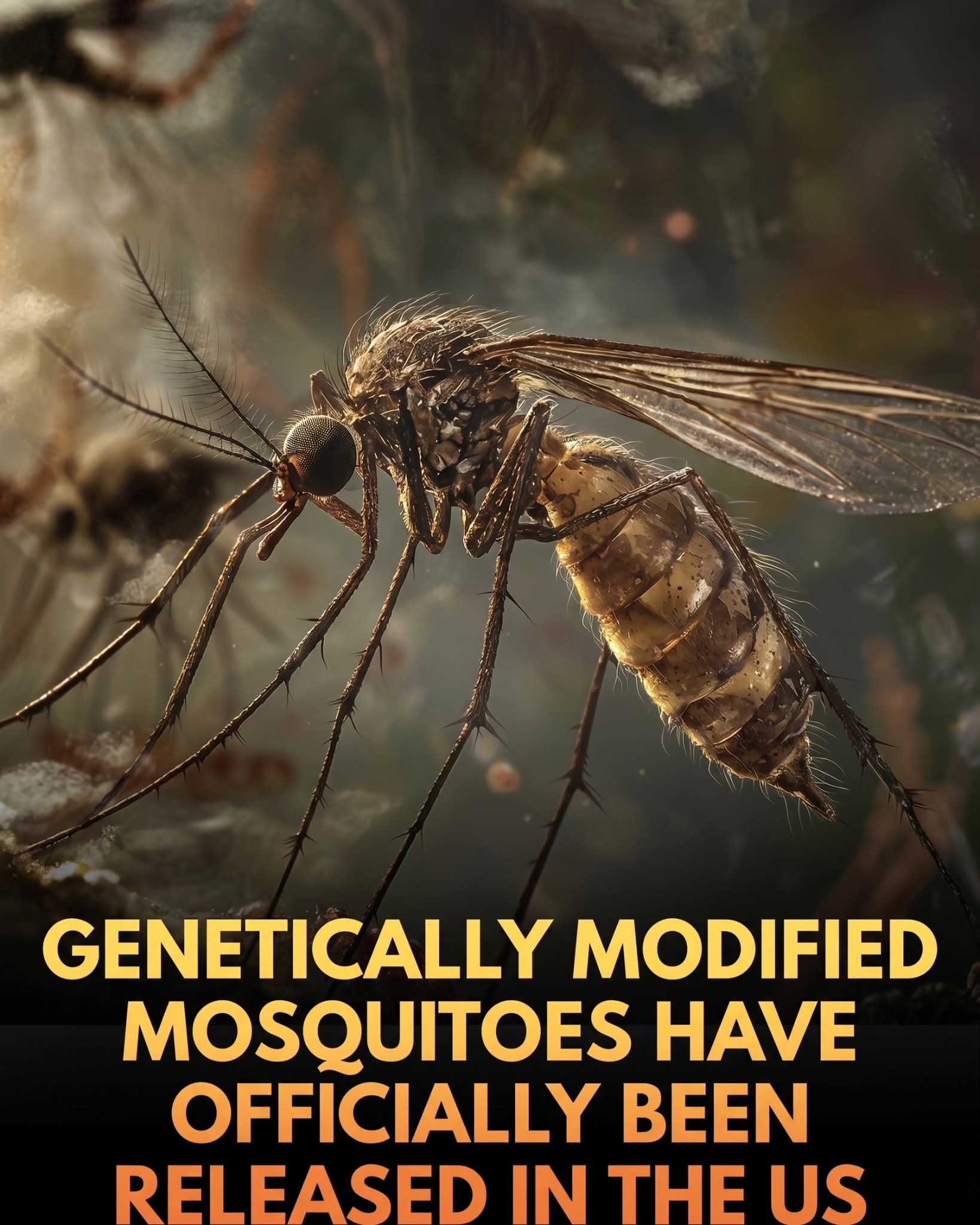
The United States has taken a monumental, though highly debated, step in public health by releasing genetically modified male Aedes aegypti mosquitoes into the Florida Keys.
Developed by biotech firm Oxitec, these bioengineered insects are designed to target and suppress wild mosquito populations responsible for transmitting debilitating diseases such as Zika, dengue, and yellow fever.
Unlike their biting female counterparts, these modified males do not bite humans. Instead, they mate with wild females and pass on a specialized gene that prevents female offspring from surviving past the larval stage, effectively forcing a population collapse over successive generations.
This innovative strategy serves as a critical alternative to traditional chemical insecticides, which have increasingly lost efficacy due to rising insect resistance. By utilizing self-limiting genetic traits, the project aims to mimic the spectacular success of previous trials in Brazil, Panama, and the Cayman Islands, where local Aedes aegypti populations plummeted by over 90 percent. While the biological intervention faces ongoing scrutiny from environmental advocacy groups, its success could fundamentally redefine how the U.S. manages vector-borne disease threats in an era of shifting global climates.
source: Centers for Disease Control and Prevention. (2026). Genetically Modified Mosquitoes.
Credit: Hashem Al-Gaili