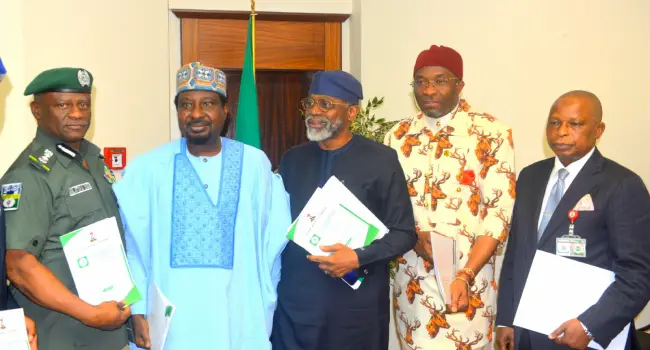
In the heart of Abuja, behind the guarded gates of the Presidential Villa, a quiet but significant conversation had been unfolding one that could reshape how security is managed across Nigeria.
For months, key figures in government the Presidency, lawmakers, and top security officials had gathered around a shared concern: how to better protect lives and property in a nation battling persistent security challenges. From these discussions emerged an idea that had long stirred debate state policing.
Leading the charge was the President’s Chief of Staff, Femi Gbajabiamila, who revealed that the dream of decentralised policing is no longer a distant possibility but a plan steadily coming to life. He explained that, following a directive from President Bola Tinubu, deliberations began several months ago and have now gained remarkable momentum.
But this was no simple reform. Creating state police, he noted, required careful navigation through the complexities of Nigeria’s Constitution and legal system. It was not the kind of decision that could be rushed or taken lightly. Instead, it demanded patience, precision, and unity of purpose.
Now, the conversation has reached a crucial stage. The focus has shifted to amending the Constitution the legal backbone that will make state policing a reality. Once that is secured, additional laws will follow to guide its operation and ensure it works effectively.
What makes this moment particularly remarkable is the growing agreement across the nation. Once a deeply contested issue, state policing is now gaining widespread support. The debate is no longer about whether it should exist, but how it should be structured to serve Nigerians best.
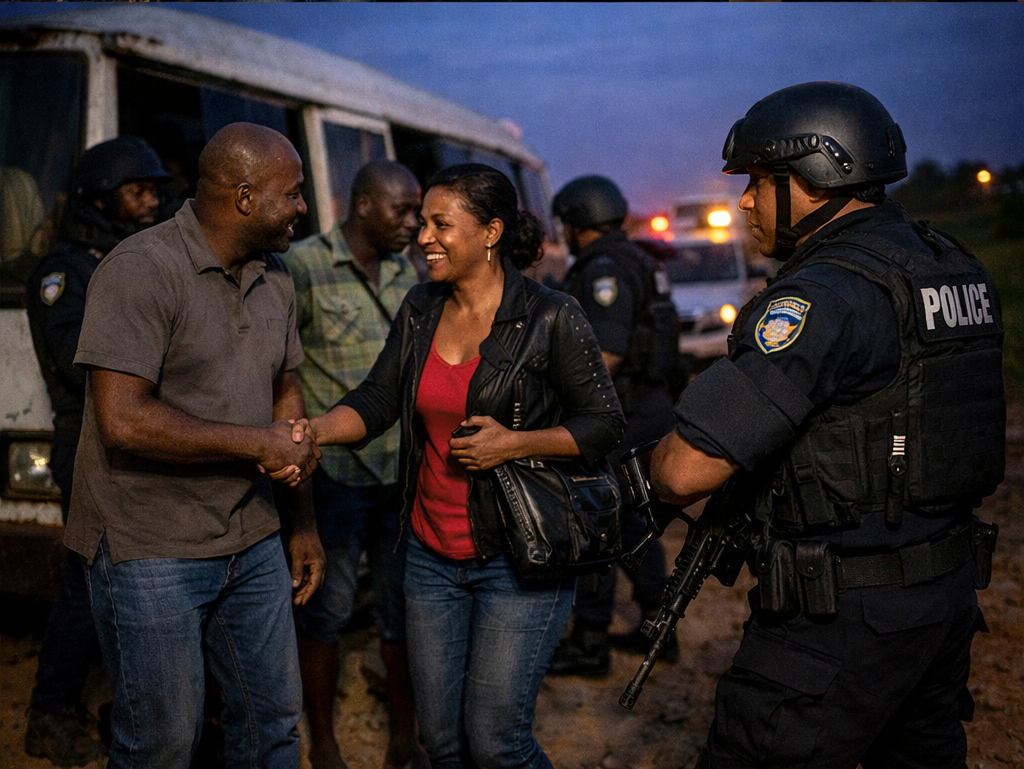
This shift did not happen in isolation. Across the country, communities have faced rising concerns over insecurity banditry, kidnapping, and other threats stretching the capacity of the centralised police system. Many believe that bringing policing closer to the states will improve response times, deepen local intelligence, and strengthen community trust.
Despite the progress, challenges remain. The details of how state police will be funded, regulated, and protected from misuse are still being carefully worked out. The road ahead may be long, requiring approvals from lawmakers and cooperation among states, but the foundation is steadily being laid.
As the consultations draw closer to producing a final framework, one thing is clear: Nigeria stands at the threshold of a major transformation in its security architecture.
And while the final shape of state policing is yet to be seen, the story unfolding in Abuja signals hope hope that a more responsive and locally rooted system of security may soon emerge, bringing with it a renewed sense of safety for millions across the nation.