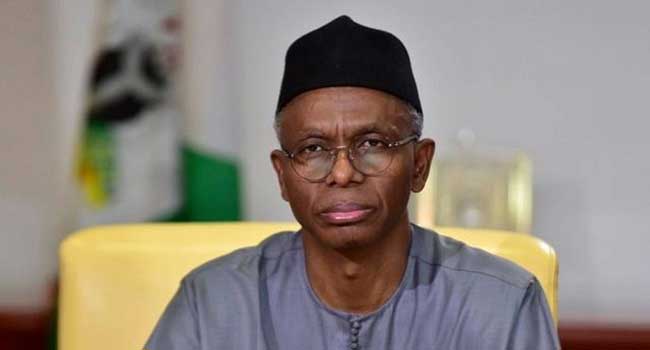

Former Kaduna State governor, Nasir El-Rufai, is gearing up for a legal battle that could set the tone for how political prosecutions are perceived in Nigeria. He has filed an application before the Federal High Court in Abuja, seeking to quash the criminal charge brought against him by the Department of State Services (DSS).
The case, listed as Charge Number FHC/ABJ/CR/99/2026, is scheduled to be heard on February 25, 2026, before Justice Joyce Abdulmalik. In his motion on notice, El-Rufai argues that the charge is incompetent, discloses no offence known to law, and amounts to what he describes as a gross abuse of court process.
Among the reliefs sought, he is asking the court to:
- Discharge him on the ground that no prima facie case has been established
- Award ₦2 billion in costs against the DSS for alleged misuse of the criminal justice system
According to court filings, his legal team has outlined 17 grounds for dismissal, ranging from constitutional invalidity and lack of prosecutorial competence to claims of political persecution. The motion also invokes fundamental rights provisions, including the presumption of innocence, freedom of expression and association, and the requirement that offences must be clearly defined in written law.
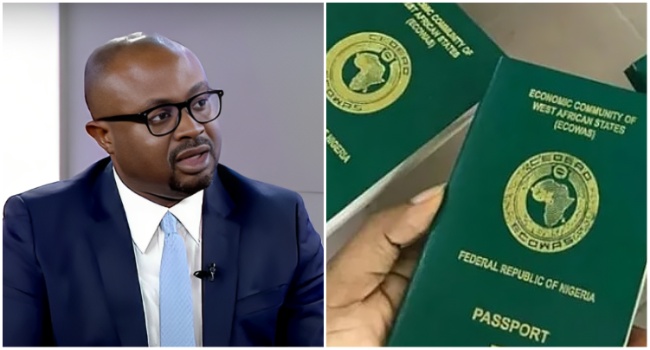
El-Rufai’s media adviser, Muyiwa Adekeye, confirmed the filing, stressing that the former governor views the charges as an abuse of process. His legal team has also formally notified the DSS Director General of the application, providing details of his counsel.
On the other side, the DSS is expected to present its arguments when the matter comes up in court. The outcome of the February 25 hearing will determine whether the charges proceed to trial or are struck out at this preliminary stage.
For now, the case has drawn attention not only because of El-Rufai’s political profile but also because of the broader questions it raises about the intersection of law, politics, and justice in Nigeria.