
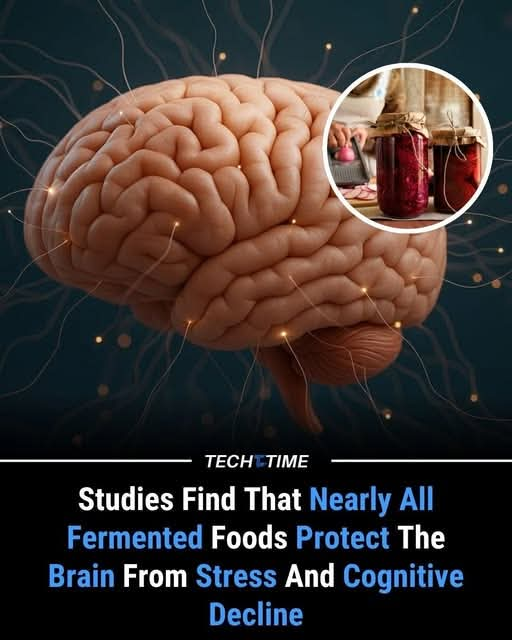

New research reveals that fermented foods may do more than just boost gut health — they can protect the brain from stress and cognitive decline. Scientists have found that incorporating fermented foods into your diet can improve mental resilience, enhance memory, and support overall cognitive function.
Fermented foods, including yogurt, kimchi, kefir, sauerkraut, miso, and kombucha, are rich in probiotics — beneficial bacteria that maintain a healthy gut microbiome. The gut-brain connection plays a crucial role in regulating mood, stress response, and neurological function. A balanced gut microbiome influences neurotransmitter production, reduces inflammation, and promotes optimal brain health.
In studies, participants who consumed fermented foods regularly experienced lower levels of stress-related hormones, improved memory retention, and enhanced problem-solving abilities. The beneficial bacteria in these foods help modulate the gut-brain axis, which has been linked to reduced risk of anxiety, depression, and age-related cognitive decline.
Experts highlight that fermented foods also contain vitamins, minerals, and bioactive compounds that support neuron health and protect against oxidative stress. Regular consumption can enhance mental clarity, focus, and emotional balance, making these foods a simple yet powerful tool for lifelong cognitive wellness.
Beyond individual benefits, fermented foods offer an accessible, natural, and enjoyable approach to brain health. They can easily be incorporated into daily meals and snacks, providing both flavor and function.
These findings reinforce the importance of diet in maintaining cognitive resilience. Including a variety of fermented foods in your routine may help shield your brain from stress, preserve memory, and support healthy aging, making them an essential component of a brain-boosting lifestyle.
Credit: Zain Abba
Source: National Geographic