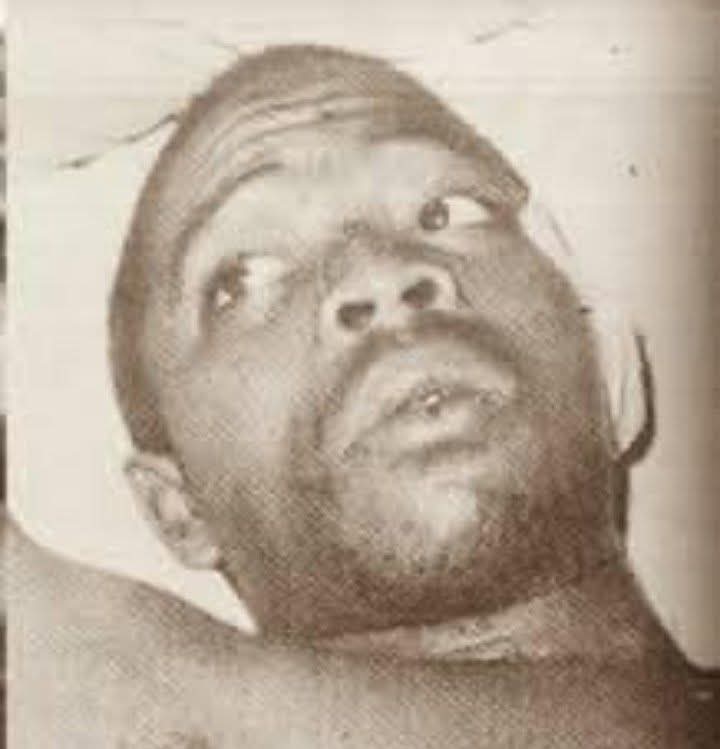


In one of the most harrowing miscarriages of justice in American history, George Stinney Jr., a 14-year-old African American boy, was accused and convicted in 1944 of murdering two young white girls in Alcolu, South Carolina. Despite a complete lack of physical evidence and a rushed investigation, George was interrogated without a lawyer or his parents present. Within hours, authorities claimed he had confessed, although no written or signed confession was ever produced. The all-white jury deliberated for just 10 minutes before convicting him, and his trial lasted barely a single afternoon.
On June 16, 1944, George was led to the electric chair at the Columbia penitentiary, the youngest person in modern American history to be executed. He was so small — barely five feet tall and weighing just 95 pounds — that he had to sit on a Bible or a phone book for the electrodes to reach him properly. The prison staff struggled to secure the mask and straps on his body. When the first surge of 2,400 volts coursed through him, the mask slipped from his tiny face, revealing his tear-streaked cheeks in front of the witnesses. Two more jolts followed before his death was pronounced.
Decades later, new attention was brought to George Stinney Jr.’s case. In 2014, a South Carolina judge vacated his conviction, acknowledging the grievous flaws in the original trial — from the coerced confession to the absence of due process. His exoneration, though symbolic, stood as a stark reminder of the racial injustice embedded in America’s legal system. George's tragic story continues to resonate as a chilling example of how deeply flawed systems can destroy innocent lives — especially those most vulnerable.
Source: History of the World