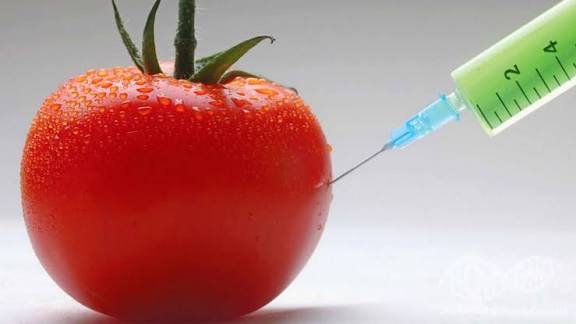

What are GMO Foods?
- GMO: Genetically Modified Organisms. GMO foods come from plants or animals whose genetic material (DNA) has been altered using genetic engineering techniques.
- Purpose: Often aims to introduce traits like pest resistance, drought tolerance, improved nutrition, herbicide tolerance, or longer shelf life.
- Examples: Some corn, soybeans, cotton, canola engineered for traits like pest resistance (Bt crops) or herbicide tolerance.
How Did GMO Foods Start?
- Biotechnology Advances: Development of genetic engineering techniques allowed altering organisms’ DNA.
- Early GM Crops: First commercial GM crops introduced in 1990s (e.g., Flavr Savr tomato in US).
- Adoption: Countries like US, Brazil, Argentina grow significant GMO crops.
- Traits: Common traits include insect resistance (Bt toxin), herbicide tolerance (like Roundup Ready crops).
Who is Promoting GMO Foods?
- Biotech Companies: Major players include Bayer (acquired Monsanto), Syngenta, Corteva Agriscience.
- Agricultural Researchers: Some scientists develop GMOs for traits like drought tolerance or nutrition enhancement.
- Governments: Regulatory approvals vary; some governments support GMO cultivation for agriculture.
- Proponents: Arguments include potential for increased yields, pest management, addressing food security.
How Can GMO Foods Be Identified?
- Labeling Laws Vary: Some countries mandate GMO labeling (e.g., EU); others have voluntary guidelines (like US).
- Checking Ingredients: Look for ingredients like GMO corn, soy, canola in processed foods if labeled.
- Non-GMO Labels: Some products are marketed as non-GMO.
- Testing: Specialized tests can detect GMOs in some cases.
- Country-Specific Regulations: Awareness of local rules on GMO labeling/imports.
Some Concerns/Threats Regarding GMO Foods
Health-Related Concerns
- Allergenic Potential: Risks of introducing new allergens.
- Toxicity: Debates on potential unintended toxic effects.
- Nutritional Changes: Possible alterations in nutritional content.
- Antibiotic Resistance Markers: Historical use in some GMOs raised concerns.
- Glyphosate Exposure: Debates on herbicide (like Roundup) use with some GMO crops.
- Long-term Effects: Some argue need for longer-term human studies.
- Regulatory Variance: Different safety assessments globally.
Environmental and Agricultural Concerns
- Gene Flow: Potential transfer of GM traits to wild relatives.
- Pest Resistance: Development of resistant pests/weeds.
- Biodiversity Impact: Possible effects on ecosystems, agricultural diversity.
- Herbicide Use Patterns: Changes in chemical use with GM crops.
- Seed Patents: Corporate control debates.
Why Are Some GMO Foods Considered Dangerous for Human Consumption by Critics?
- Unintended Genetic Effects: Concerns about unforeseen changes’ impacts.
- Potential Toxins/Allergens: Fears of new substances in food.
- Lack of Long-Term Data: Calls for more chronic exposure studies.
- Pesticide Associations: Like debates on glyphosate.
- Corporate Influence: Worries about industry sway on food systems.
Potential Benefits Claimed by Proponents
- Increased Yield/Pest Control: Potential agronomic advantages.
- Drought Tolerance: Traits aiming for stress resilience.
- Nutritional Enhancement: Like Golden Rice (vitamin A-enriched).
- Reduced Chemical Use: Some GMOs aim to decrease pesticide applications.
- Food Security Arguments: Potential role in addressing production challenges.
Advice to the General Public
- Awareness: Understand local regulations/labeling on GMOs.
- Dietary Diversity: Eating varied whole foods.
- Check Labels: Where GMO labeling exists, consumers can choose.
- Non-GMO/Organic Options: Available in some markets; may align with some consumer preferences.
- Consult Experts: For specific health/nutrition questions, talk to dietitians/doctors.
- Stay Informed: Follow credible sources on GMO debates/science.
- Local Context: In places like Nigeria, consider local regulations, agricultural practices.
- Critical Thinking: Evaluate information sources on GMOs.
- Discuss with Stakeholders: Engage with farmers, scientists, policymakers on food issues.
Key Considerations
- Regulatory Variance: Different countries have different rules.
- Science-Based Discussions