
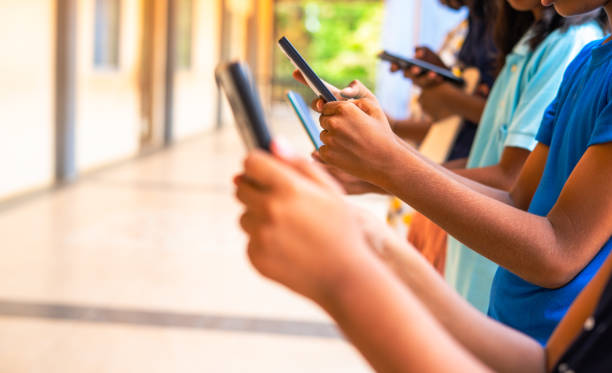

The Impact of Social Media on Children's Education: A Nigerian Perspective
What is Social Media?
Social media refers to online platforms that allow users to create, share, and interact with content, connect with others, and participate in communities. Examples include Facebook, Instagram, Twitter, TikTok, WhatsApp.
Impact of Social Media on Children's Education in Nigeria
Positive Aspects
- Access to Information: Social media can provide educational content, resources, and learning opportunities.
- Connectivity: Facilitates communication for group projects, discussions with peers/teachers.
- Learning Platforms: Some platforms host educational content, online courses (e.g., YouTube tutorials).
- Exposure to Global Perspectives: Broadens understanding of global issues, cultures.
Negative Aspects
- Distraction: Excessive use can distract from studies, homework.
- Cyberbullying: Risks of bullying, harassment online affecting mental health.
- Inappropriate Content: Exposure to unsuitable content impacting values, focus.
- Addiction: Excessive screen time linked to reduced physical activity, sleep issues.
- Misinformation: Risk of encountering false information.
- Social Comparison: Potential negative impacts on self-esteem.
Nigeria Context
- Growing Social Media Use: Nigeria has significant social media penetration, especially among youth.
- Educational Opportunities: Some Nigerian educators use social media for teaching, sharing resources.
- Challenges: Issues like internet access variability, content appropriateness.
- Examples: WhatsApp groups for study, online forums for Nigerian students discussing academics.
Has it been Helpful or More Negative for Nigerian Children?
- Mixed Impact: Both benefits and risks exist; outcomes depend on usage patterns, guidance.
- Potential for Benefit: When used purposefully for education with oversight.
- Concerns: Excessive use, safety, content quality issues noted in Nigerian context like elsewhere.
How Can Parents Control Social Media Use?
- Set Limits: Establish rules on time spent on social media.
- Monitor Usage: Awareness of what children are accessing.
- Guide Content Choice: Encourage educational/age-appropriate content.
- Discuss Safety: Teach about online safety, cyberbullying, privacy.
- Model Behavior: Parents’ own digital habits influence children.
- Encourage Balance: Promote offline activities, studies alongside digital use.
- Use Tools: Parental control apps/software for monitoring/managing access.
How Can Social Media Be Used to Develop Children's Educational Well-being?
- Educational Content Sharing: Teachers/parents share learning resources via platforms.
- Collaborative Learning: Groups for project work, peer learning.
- Online Courses/Tutorials: Access to supplemental learning materials.
- Encourage Digital Literacy: Teach critical thinking about online info, safety.
- Connect with Educators: Communication with teachers via social media for support.
- Promote Positive Communities: Join groups focused on learning, shared interests.
- Balance: Ensure healthy balance with offline activities.
Key Considerations for Nigeria and Globally
- Digital Access: Variability in internet access impacts use.
- Cultural Contexts: Local values, norms shape social media interactions.
- Safety Focus: Protecting children online crucial.
- Guided Use: Support from parents, educators enhances potential benefits.
- Evolving Landscape: Social media platforms and trends change rapidly.
Conclusion
Social media's impact on children's education in Nigeria, like elsewhere, depends on how it is used, guided, and balanced with other aspects of life. Harnessing its potential for learning while mitigating risks can support educational well-being.
Invitation
How do you think social media can best support learning for children in Nigeria?
Share thoughts or experiences.