
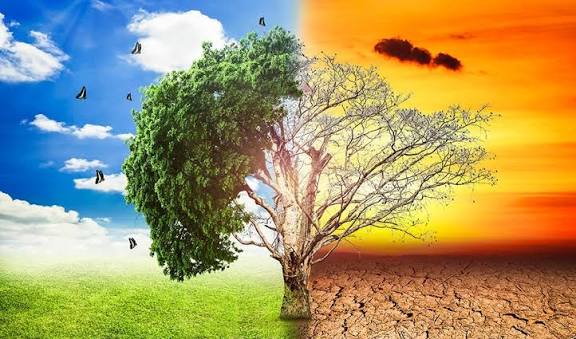

Climate change is one of the most pressing global challenges of our time, affecting ecosystems, economies, societies, and individuals worldwide, including in diverse regions like Nigeria and across the globe.
What is Climate Change?
Climate change refers to long-term shifts in temperatures and weather patterns on Earth. While natural climate variability has always existed, current trends are significantly influenced by human activities. Key aspects include:
- Global Warming: Average global temperatures are rising.
- Changes in Precipitation: Patterns of rainfall and drought are altering.
- Extreme Events: Increased frequency/intensity of heatwaves, storms, floods in some areas.
Impact on the Earth
- Ecosystems: Shifts in habitats, loss of biodiversity, coral bleaching (oceans warming/acidifying).
- Sea Level Rise: Coastal flooding, erosion, saltwater intrusion into freshwater.
- Weather Extremes: More intense heatwaves, heavy rainfall events in some regions.
- Agriculture: Changes in productivity, crop patterns, food security concerns.
- Water Resources: Altered availability, glaciers shrinking affecting rivers.
- Human Health: Heat stress, disease spread patterns, air quality issues.
- Economies and Societies: Impacts on livelihoods, infrastructure, potential displacements.
How Has Man Contributed to Climate Change?
- Greenhouse Gas Emissions: Burning fossil fuels (coal, oil, gas) releases CO2, methane (CH4), etc.
- Deforestation: Loss of forests reduces carbon absorption.
- Agriculture: Practices can emit nitrous oxide, methane (livestock).
- Industrial Processes: Various emissions from manufacturing, cement production.
- Transportation: Emissions from vehicles, aviation.
- Waste Management: Landfills produce methane.
Is It Reversible?
- Mitigation: Reducing emissions can slow rate of change; some impacts are locked in.
- Adaptation: Societies can adapt to some extent to changes already occurring.
- Long-term Perspective: Reversing some changes may take centuries; urgency is in limiting further change.
- Tipping Points: Risk of abrupt, potentially irreversible shifts in systems (e.g., ice sheets).
What Can Man Do to Reduce the Rate of Climate Change?
- Transition to Renewables: Shift from fossil fuels to solar, wind, hydro energy.
- Energy Efficiency: Improve in buildings, industries, transport.
- Sustainable Land Use: Protect forests, promote agroforestry, sustainable agriculture.
- Reduce, Reuse, Recycle: Manage waste, reduce emissions from landfills.
- Electrify Transport: Promote electric vehicles, public transport.
- Carbon Pricing: Mechanisms like carbon taxes/carbon markets.
- International Cooperation: Agreements like Paris Accord aim for global action.
- Individual Actions: Lifestyle choices, supporting climate-friendly policies.
- Research and Innovation: Develop climate technologies, adaptation strategies.
- Education and Awareness: Build understanding of climate issues.
State of the Earth in the Next Fifty Years Due to Climate Change
Projections vary based on emissions pathways:
- Temperature Rise: Likely further warming (scenarios depend on mitigation efforts).
- Impacts: Increased risks of extremes (heat, precipitation patterns).
- Adaptation Needs: Growing importance of resilience, adaptation measures.
- Regional Variabilities: Different regions face differing impacts (e.g., Africa’s Sahel, coastal cities globally).
- Potential Scenarios: From manageable with strong action to severe impacts with high emissions.
- Nigeria Context: Vulnerabilities include agriculture, water resources, coastal areas.
How Should Humans Prepare for It?
- Adaptation Planning: Build resilience in infrastructure, agriculture, water management.
- Mitigation Efforts: Reduce emissions through energy transitions, efficiency.
- Risk Management: Address risks of extremes, plan for potential displacements.
- Education and Collaboration: Foster understanding, cooperation locally and globally.
- Innovation: Develop and deploy climate technologies, solutions.
- Policy Support: Encourage frameworks supporting climate action.
- Community Engagement: Local actions, involvement in planning.
- Global Cooperation: International efforts vital for addressing global challenge.
Conclusion
Climate change poses significant challenges requiring collective action across scales – individual, community, national, global. Mitigation and adaptation efforts can help manage risks and build resilience. The path forward involves balancing development needs with sustainability, equity considerations, and technological innovation.
Invitation:
How do you think communities and individuals can best contribute to addressing climate change? Share thoughts or questions in the comments.