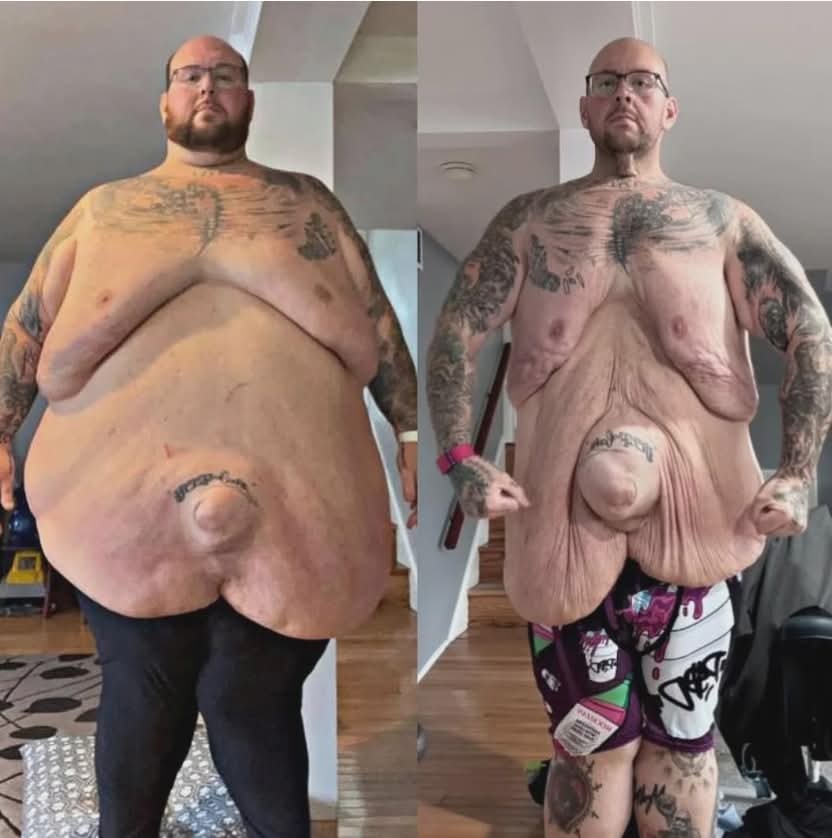

Exercise is a physical activity that helps keep our bodies healthy and strong. It's essential for everyone, regardless of age or fitness level. Regular exercise can improve overall health, boost mood, and increase energy levels.
There are several types of exercise, each with its unique benefits. Here are some common categories:
- Aerobic Exercise
Aerobic exercises, also known as cardio, are activities that raise your heart rate and improve cardiovascular health. Examples include:
- Brisk walking
- Running
- Swimming
- Cycling
- Dancing
2. Strength Training
Strength training, also known as resistance training, helps build muscle mass and increase strength. Examples include:
- Weightlifting
- Bodyweight exercises (push-ups, squats, lunges)
- Resistance band exercises
3. Flexibility Exercises
Flexibility exercises help improve range of motion and reduce stiffness. Examples include:
- Stretching
- Yoga
- Pilates
4. High-Intensity Interval Training (HIIT)
HIIT involves short bursts of intense exercise followed by brief periods of rest. Examples include:
- Sprints
- Burpees
- Jump squats
5. Functional Training
Functional training focuses on exercises that help with everyday activities and improve overall functional fitness. Examples include:
- Squats
- Lunges
- Step-ups
- Balance exercises
6. Mind-Body Exercises
Mind-body exercises combine physical movement with mental focus and relaxation techniques. Examples include:
- Yoga
- Tai chi
- Meditation
7. Group Fitness Classes
Group fitness classes offer a variety of exercise options, often led by an instructor. Examples include:
- Zumba
- Spin classes
- Boot camp
8. Sports and Recreational Activities
Engaging in sports and recreational activities can be a fun way to stay active and exercise. Examples include:
- Team sports (soccer, basketball, volleyball)
- Individual sports (tennis, golf, swimming)
- Outdoor activities (hiking, kayaking, cycling)
Remember, it's essential to find exercises you enjoy and that fit your lifestyle and fitness goals.
Benefits of Exercise
- Weight Management: Exercise helps maintain a healthy weight, reducing the risk of obesity-related diseases.
- Cardiovascular Health: Regular physical activity strengthens the heart, lowering blood pressure and reducing the risk of heart disease.
- Improved Mental Health: Exercise releases endorphins, which can help alleviate symptoms of anxiety and depression.
- Increased Strength and Flexibility: Exercise can improve muscle tone, flexibility, and balance.
- Better Sleep: Regular physical activity can help improve sleep quality.
- Reduced Risk of Chronic Diseases: Exercise can lower the risk of developing conditions like diabetes, certain cancers, and osteoporosis.
How Often Should We Exercise?
The World Health Organization recommends at least 150 minutes of moderate-intensity aerobic exercise or 75 minutes of vigorous-intensity aerobic exercise per week, along with strength training exercises at least twice a week.
Exercise Frequency Guidelines
- Adults (18-64 years): Aim for at least 150 minutes of moderate-intensity aerobic exercise or 75 minutes of vigorous-intensity aerobic exercise per week.
- Strength Training: Incorporate strength training exercises at least twice a week, targeting major muscle groups.
- Children and Adolescents (5-17 years): Aim for at least 60 minutes of moderate-to-vigorous intensity physical activity per day.
When to Start Exercising
- Anytime is a Good Time: It's never too late to start exercising, and every bit counts.
- After a Medical Check-up: If you have health concerns or are new to exercise, consult with a healthcare professional before starting a new routine.
- As a Lifestyle Change: Incorporate physical activity into your daily routine, making it a sustainable part of your lifestyle.
Why People Don't Want to Exercise
Common reasons include:
- Lack of Time: Busy schedules and competing priorities.
- Lack of Motivation: Difficulty finding enjoyable activities or lacking accountability.
- Physical Limitations: Health issues, injuries, or disabilities.
- Fear or Intimidation: Gym anxiety or fear of judgment.
- Habits: Sedentary lifestyles and ingrained habits.
Overcoming Barriers
- Schedule It: Prioritize exercise and treat it as a non-negotiable part of your daily routine.
- Find Activities You Enjoy: Engage in physical activities that bring you joy.
- Start Small: Begin with short, manageable sessions and gradually increase duration and intensity.
- Get Support: Exercise with friends, family, or a fitness community for motivation and accountability.
Dangers of Not Exercising
- Weight Gain: A sedentary lifestyle can lead to weight gain and obesity.
- Increased Risk of Chronic Diseases: Lack of exercise can increase the risk of developing conditions like heart disease, diabetes, and certain cancers.
- Mental Health Concerns: Insufficient physical activity can contribute to anxiety, depression, and other mental health issues.
- Reduced Mobility: A lack of exercise can lead to decreased strength, flexibility, and balance, increasing the risk of falls and injuries.
- Poor Sleep: Sedentary lifestyles can disrupt sleep patterns and reduce overall well-being.
Conclusion
Exercise is a crucial aspect of maintaining overall health and well-being. By understanding the benefits, overcoming barriers, and incorporating physical activity into your daily routine, you can experience numerous benefits and reduce the risk of chronic diseases.