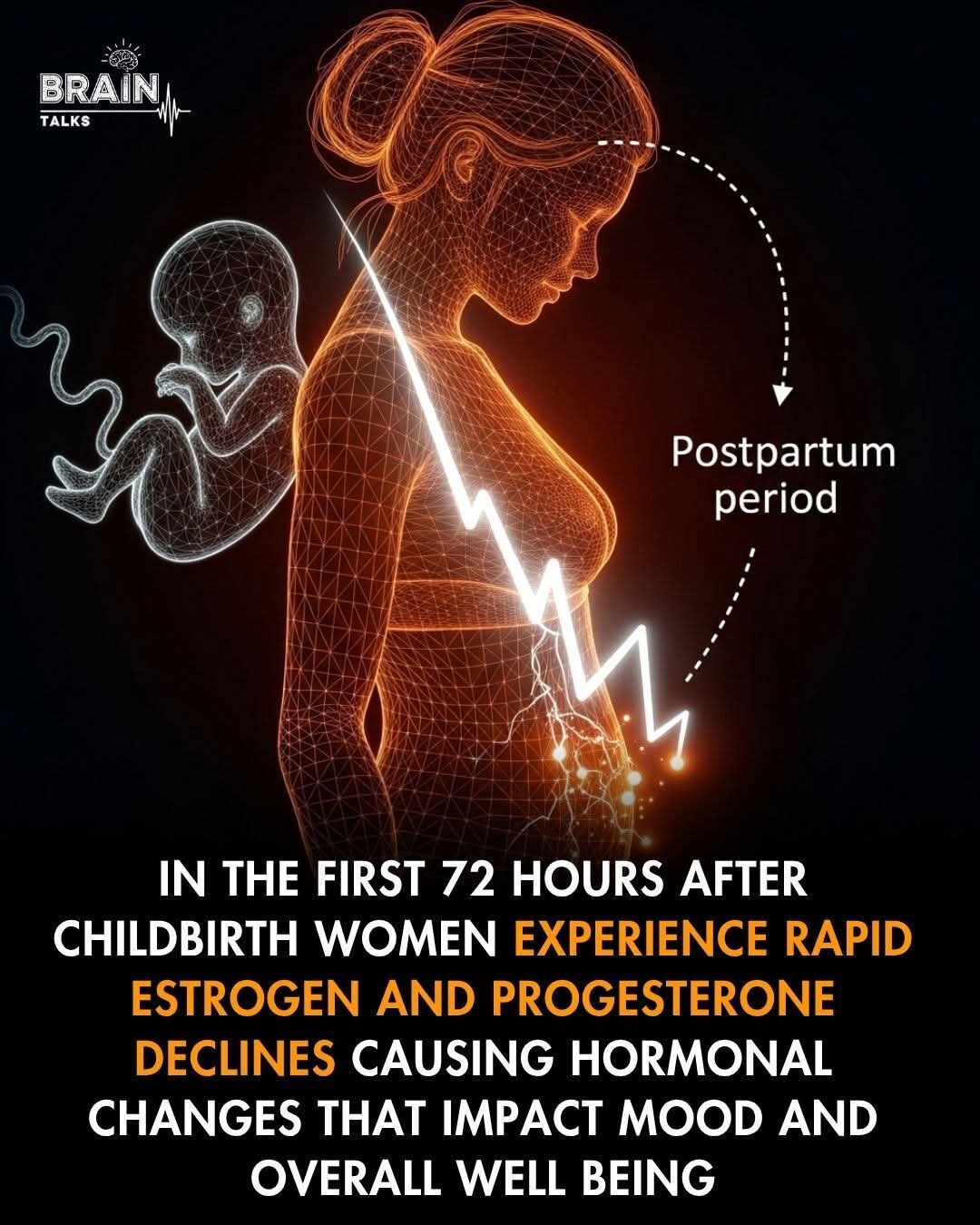

After childbirth, a woman’s body undergoes dramatic hormonal changes that can affect mood, energy, and overall well-being. Within just 72 hours, levels of estrogen and progesterone hormones that rise during pregnancy drop sharply, signaling the body to transition back to a non-pregnant state.
This sudden change can contribute to mood swings, irritability, and emotional sensitivity, commonly referred to as “baby blues.” While these effects are usually temporary, they highlight how closely physical and emotional health are connected in the postpartum period.
Other factors, including sleep deprivation, breastfeeding demands, and the physical recovery from labor, can intensify these hormonal effects. Women may notice fatigue, anxiety, or moments of sadness as their body adapts to the new balance.
Understanding these shifts helps normalize the experience and encourages early support. Simple interventions such as adequate rest, proper nutrition, social support, and open communication with healthcare providers can help manage these changes. Recognizing that this transition is natural empowers women to care for both their physical recovery and emotional well-being during the critical first days after childbirth.
Source: Brain Talks