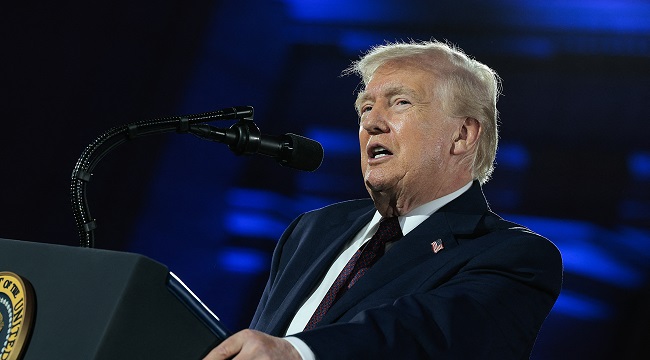

The war between the United States and Iran has entered a dangerous new phase. At a fundraising dinner in Washington, President Donald Trump issued a chilling warning: if Iran refuses peace or continues blocking the Strait of Hormuz, U.S. forces will “blow up” Kharg Island and Iran’s oil wells and power plants.
The remark sent shockwaves through global markets already reeling from weeks of conflict. Kharg Island is Iran’s most vital oil terminal, a lifeline for its economy. Destroying it would not only cripple Iran but also ignite a firestorm across the Middle East.
The Price of Threats
Oil prices have surged relentlessly since the war began. Brent crude has climbed nearly 60% this month, while WTI crude is up more than 50%. Analysts warn that if Trump’s threat materializes or if Iran retaliates by striking Gulf neighbors’ energy infrastructure prices could soar past $200 per barrel, levels unseen since the 2008 commodity boom.
For ordinary people, these numbers translate into higher fuel costs, rising food prices, and economic uncertainty. The war is not just fought with missiles, it is fought in the wallets of families across the globe.
Iran’s Defiance
Iran has vowed to strike back if its oil facilities are attacked. Its parliament accuses Washington of using diplomacy as a smokescreen for military escalation. Already, Tehran’s nights are punctuated by airstrikes, leaving residents sleepless and fearful. The closure of the Strait of Hormuz, through which a fifth of the world’s oil passes, has deepened the sense of crisis.
Regional Ripples
The conflict is not confined to Iran and the U.S.
- In Lebanon, Israel continues its offensive against Hezbollah, with casualties mounting.
- A UN peacekeeper from Indonesia was killed after a strike on a UN position.
- Gulf states brace for possible Iranian retaliation, knowing their oil fields could be next.
The war’s reach is widening, pulling in nations near and far.
Diplomatic Gambles
Amid the chaos, Pakistan has stepped forward as mediator, hosting talks with Saudi Arabia, Turkey, and Egypt. Both Washington and Tehran have expressed cautious confidence in Pakistan’s role. Yet skepticism lingers: can diplomacy hold when threats of invasion and destruction dominate the headlines? Meanwhile, the U.S. has deployed more military assets, including an amphibious assault ship carrying 3,500 Marines an unmistakable signal of readiness.
Human Stories Behind the Headlines
Beyond the geopolitics and market charts are the human lives caught in the storm.
- Families in Tehran huddle together as bombs fall nearby.
- Traders in New York and London watch oil prices spike, knowing the world economy teeters on the brink.
- Gulf state officials weigh the risk of becoming collateral damage in a war they did not start.
The war is both global and intimate, reshaping economies while shattering lives.