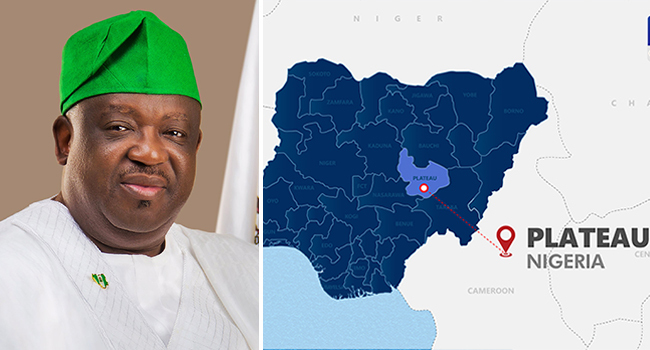

The city of Jos North has fallen quiet. Streets that once echoed with the rhythm of daily life now lie deserted, swallowed by an uneasy silence. This is not the calm of peace, but the hush of fear. Following a brutal attack in Angwan Rukuba that claimed lives and left many wounded, the Plateau State Government has imposed a 48-hour curfew.
From midnight on March 29, 2026, until April 1, residents are confined to their homes. The curfew is absolute movement restricted, businesses shuttered, and families huddled indoors. Only essential services are permitted to operate. For many, the silence is a reminder of how fragile normalcy has become.
Governor Caleb Mutfwang condemned the attack as “barbaric and unprovoked.” His words carry both outrage and resolve. Security forces have been deployed across Jos North, tasked with restoring order and hunting down those responsible. The government urges citizens to remain calm, cooperate with authorities, and provide information that could lead to justice.
But beneath the official statements lies the human story. Families mourn loved ones lost in the violence. Communities live with the weight of uncertainty, wondering if peace will ever truly return. This is not the first time Plateau has been scarred by bloodshed. In recent months, bandit raids, ambushes, and cattle rustling have left trails of devastation. Each attack chips away at the resilience of a people who long for safety.
The curfew is more than a restriction, it is a symbol of a city under siege. It reflects both the government’s determination to restore order and the stark reality of insecurity in Nigeria’s Middle Belt. For Jos, the hope is that silence will not only mark fear, but also the beginning of healing.