
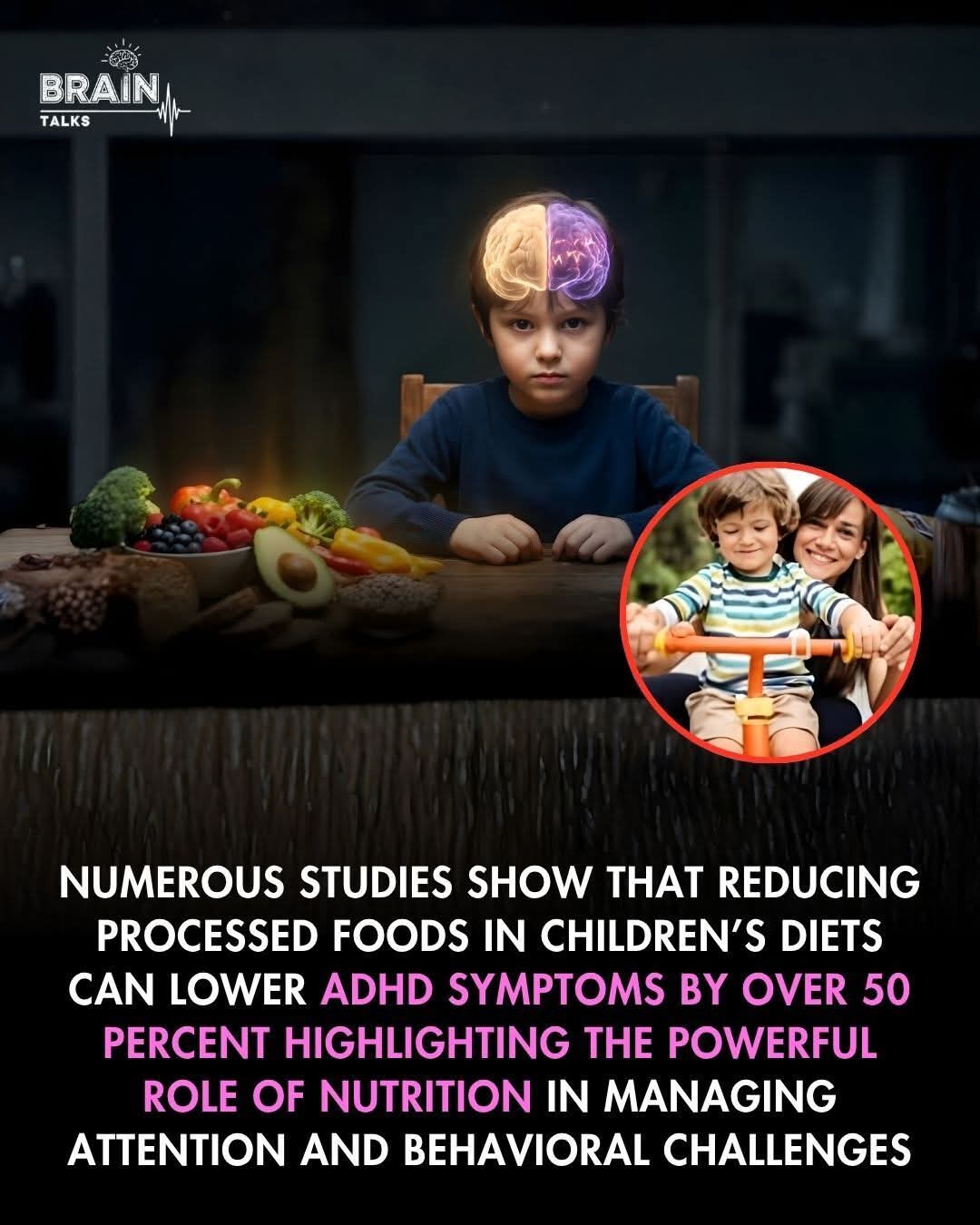

Nutrition plays a critical role in brain function and behavior. Research shows that cutting processed foods from children’s diets can reduce ADHD symptoms by over 50%, offering a natural, effective strategy to support attention and self regulation.
Processed foods are often high in sugar, additives, and artificial ingredients, which can impact neurotransmitter balance, energy levels, and focus. By replacing these with whole foods such as fruits, vegetables, whole grains, and healthy proteins, children’s cognitive performance and emotional regulation improve.
Parents who implement dietary changes report calmer behavior, better concentration, and reduced hyperactivity. This approach complements other interventions like behavioral therapy or structured routines, providing a holistic strategy for managing ADHD.
Consistency is keygradually introducing healthier options while minimizing processed foods ensures lasting benefits. Small changes in diet can lead to significant improvements in brain function, behavior, and overall well being. The takeaway is empowering. Focusing on nutrition can be a powerful tool for managing ADHD, demonstrating that what children eat directly impacts their brain, behavior, and learning potential.
Source: Brain Talks