
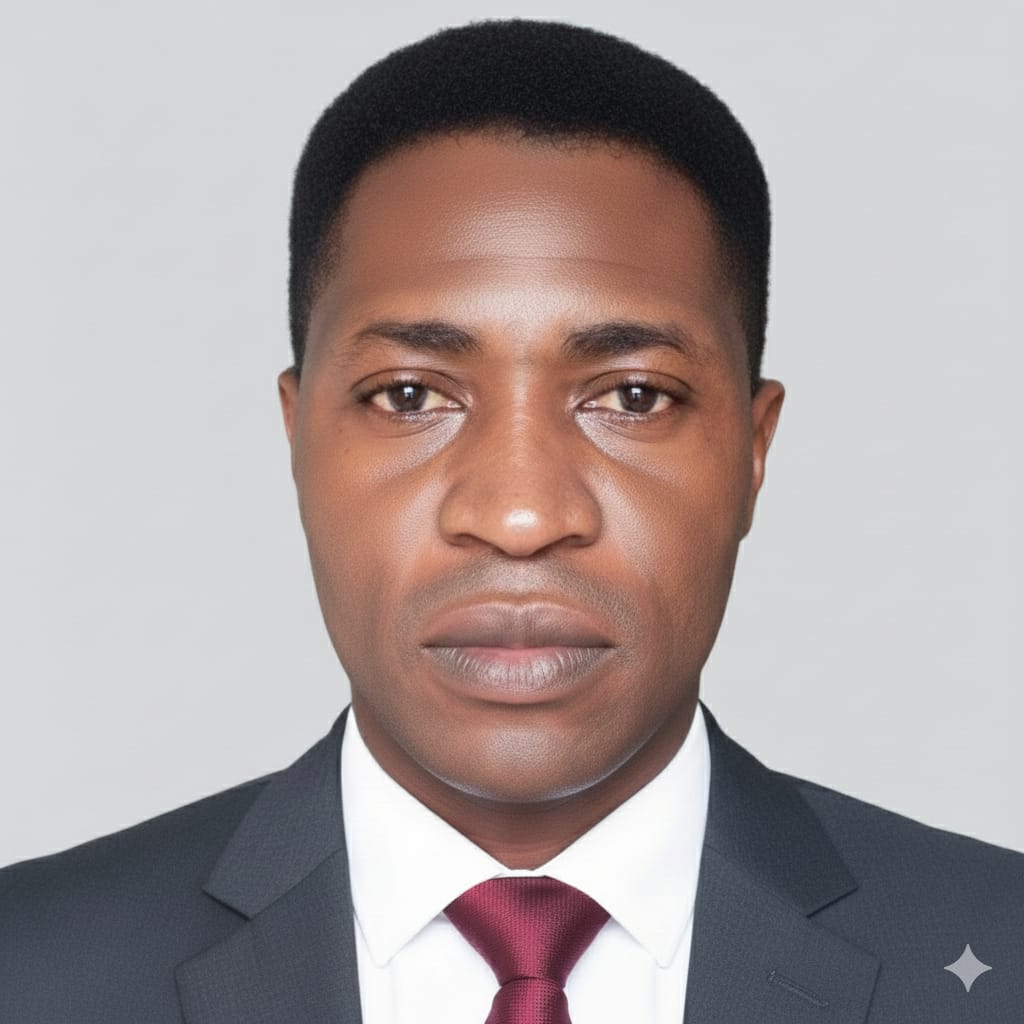

Tell us about yourself
My name is Omang Emma Omang. I am driven by impact and growth, both professionally and vocationally. I work as a School Admin/Bursar, where my focus is on operational excellence, staff development both administratively and financially, and creating a supportive learning environment. Simultaneously, I am a Church Planter and Pastor, a role that has refined my vision, casting emotional intelligence, and ability to inspire diverse groups of people toward a common goal. I thrive at the intersection of structure and service."
I am a husband and father of one wife and three adorable daughters.
What do you do for a living?
I manage the daily operations , as well as strategic and financial planning for a school. This involves everything from budgetary oversight and compliance to leading a team of educators and support staff. Essentially, I ensure that the organizational structure supports the mission of quality education. Vocationally and chiefly, I lead a faith community, which is deeply rooted in relationship-building and community service and active evangelism and Church planting.
What was growing up for you like?
Growing up was focused on service and discipline. Born to a parent who were both Military Personnel (Nigeran Army). Encountering Jesus at the age of 7 with a burning desire to make sure people do not end up in Christ-less graves. My childhood and teenagehood ( till this day) was spent seeking Kingdom values at home and in school. I didn't know any other way of living, apart from this.
How has your growing up shaped who you are now?
That blend of discipline and empathy is the core of who I am. The focus on service is what drives my pastoral work—it taught me to listen actively, manage conflict with grace, and prioritize people over processes, a skill essential in both administrative and spiritual leadership.
What have you learned about yourself?
I learned that my greatest strength is my ability to translate vision into practical steps. For a long time, I thought I had to choose between being a dreamer and a doer. However, through planting a church from the ground up while running a school, I realized I excel at the bridge: articulating a grand vision (pastoral) and then creating the concrete budgets, timelines, and team structures (administrator) required to make it real. I am a pragmatic visionary.
Tell us what brought you into this moment of your life?
Two key realizations brought me here. First, recognizing that good administration is a form of service, not just bureaucracy, allowing me to fully commit to the school role. Second, understanding that People Matters to God and experiencing a significant need for supportive, community-focused leadership in my local area, which prompted the church planting. This moment reflects my commitment to utilizing my organizational skills to fuel my passion for people and community growth.
Tell us about yourself in the next five years
In the next five years, I aim to write not less than five Books. In the church, I expect to transition from planting to sustaining and mentoring new leaders to launch their own initiatives. Personally, I want to master the art of strategic delegation so I can focus more time on high-level vision and less time in the weeds.
What motivates you?
I am motivated by seeing tangible transformation—watching an underperforming student grasp a concept, seeing a new staff member step into a leadership role, or witnessing someone in my congregation find a deeper sense of purpose. My core motivation is to create environments and systems where others can thrive, whether that system is an organizational chart or a community support network.
Who do you want to be remembered for?
I want to be remembered as the Leader who built Bridges. Not just bridges between different ideas or departments, but bridges between people and their potential. The person who was highly organized and efficient, but whose primary tool was always compassion, ensuring that structure was used to free people, not constrain them.
Tell us something you have never told anybody
While I come across as very organized and planned—which I am—I keep a collection of old, handwritten letters from my students and congregation members detailing how my work impacted them. I reread them when I face a tough decision or major setback. It’s my secret personal fuel tank, reminding me that the administrative paperwork and the long hours of planning are always worth it.
My name is Omang Emma Omang. I am driven by impact and growth, both professionally and vocationally. I work as a School Admin/Bursar, where my focus is on operational excellence, staff development both administratively and financially, and creating a supportive learning environment. Simultaneously, I am a Church Planter and Pastor, a role that has refined my vision, casting emotional intelligence, and ability to inspire diverse groups of people toward a common goal. I thrive at the intersection of structure and service."
I am a husband and father of one wife and three adorable daughters.
What do you do for a living?
I manage the daily operations , as well as strategic and financial planning for a school. This involves everything from budgetary oversight and compliance to leading a team of educators and support staff. Essentially, I ensure that the organizational structure supports the mission of quality education. Vocationally and chiefly, I lead a faith community, which is deeply rooted in relationship-building and community service and active evangelism and Church planting.
What was growing up for you like?
Growing up was focused on service and discipline. Born to a parent who were both Military Personnel (Nigeran Army). Encountering Jesus at the age of 7 with a burning desire to make sure people do not end up in Christ-less graves. My childhood and teenagehood ( till this day) was spent seeking Kingdom values at home and in school. I didn't know any other way of living, apart from this.
How has your growing up shaped who you are now?
That blend of discipline and empathy is the core of who I am. The focus on service is what drives my pastoral work—it taught me to listen actively, manage conflict with grace, and prioritize people over processes, a skill essential in both administrative and spiritual leadership.
What have you learned about yourself?
I learned that my greatest strength is my ability to translate vision into practical steps. For a long time, I thought I had to choose between being a dreamer and a doer. However, through planting a church from the ground up while running a school, I realized I excel at the bridge: articulating a grand vision (pastoral) and then creating the concrete budgets, timelines, and team structures (administrator) required to make it real. I am a pragmatic visionary.
Tell us what brought you into this moment of your life?
Two key realizations brought me here. First, recognizing that good administration is a form of service, not just bureaucracy, allowing me to fully commit to the school role. Second, understanding that People Matters to God and experiencing a significant need for supportive, community-focused leadership in my local area, which prompted the church planting. This moment reflects my commitment to utilizing my organizational skills to fuel my passion for people and community growth.
Tell us about yourself in the next five years
In the next five years, I aim to write not less than five Books. In the church, I expect to transition from planting to sustaining and mentoring new leaders to launch their own initiatives. Personally, I want to master the art of strategic delegation so I can focus more time on high-level vision and less time in the weeds.
What motivates you?
I am motivated by seeing tangible transformation—watching an underperforming student grasp a concept, seeing a new staff member step into a leadership role, or witnessing someone in my congregation find a deeper sense of purpose. My core motivation is to create environments and systems where others can thrive, whether that system is an organizational chart or a community support network.
Who do you want to be remembered for?
I want to be remembered as the Leader who built Bridges. Not just bridges between different ideas or departments, but bridges between people and their potential. The person who was highly organized and efficient, but whose primary tool was always compassion, ensuring that structure was used to free people, not constrain them.
Tell us something you have never told anybody
While I come across as very organized and planned—which I am—I keep a collection of old, handwritten letters from my students and congregation members detailing how my work impacted them. I reread them when I face a tough decision or major setback. It’s my secret personal fuel tank, reminding me that the administrative paperwork and the long hours of planning are always worth it.