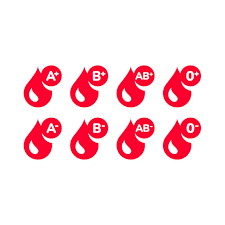

Blood group, also known as blood type, is a classification of blood based on the presence or absence of specific antigens on the surface of red blood cells. These antigens can trigger an immune response if they're foreign to the body.
How Does Blood Group Affect Food Choices?
The blood type diet suggests that certain foods may be more suitable for specific blood types due to the way they react with antigens in the body. This diet proposes that:
- Type A: Focus on vegetarian diet, avoiding meat and dairy.
- Type B: Enjoy a balanced diet with variety.
- Type AB: Combine elements of Type A and Type B diets.
- Type O: Focus on high-protein diet, avoiding grains and dairy.
Types of Blood Group
There are four main blood groups:
- A: Has A antigen on red blood cells.
- B: Has B antigen on red blood cells.
- AB: Has both A and B antigens on red blood cells.
- O: Has neither A nor B antigen on red blood cells.
Foods Suitable for Each Blood Group
Here's a general guide:
Type A:
- Lean proteins like fish and poultry
- Fruits like berries and citrus fruits
- Vegetables like leafy greens and broccoli
- Whole grains like brown rice and quinoa
Type B:
- Variety of foods, including:
- Meat (beef, lamb)
- Fish and seafood
- Dairy products
- Fruits and vegetables
Type AB:
- Combination of Type A and Type B foods
- Lean proteins like fish and poultry
- Fruits like berries and citrus fruits
- Vegetables like leafy greens and broccoli
Type O:
- High-protein foods like meat (beef, lamb) and fish
- Fruits like berries and citrus fruits
- Vegetables like leafy greens and broccoli
- Avoid grains and dairy
Keep in Mind
While the blood type diet may offer some insights, it's essential to consult with a healthcare professional or registered dietitian for personalized nutrition advice. The scientific community continues to debate the effectiveness of this diet.